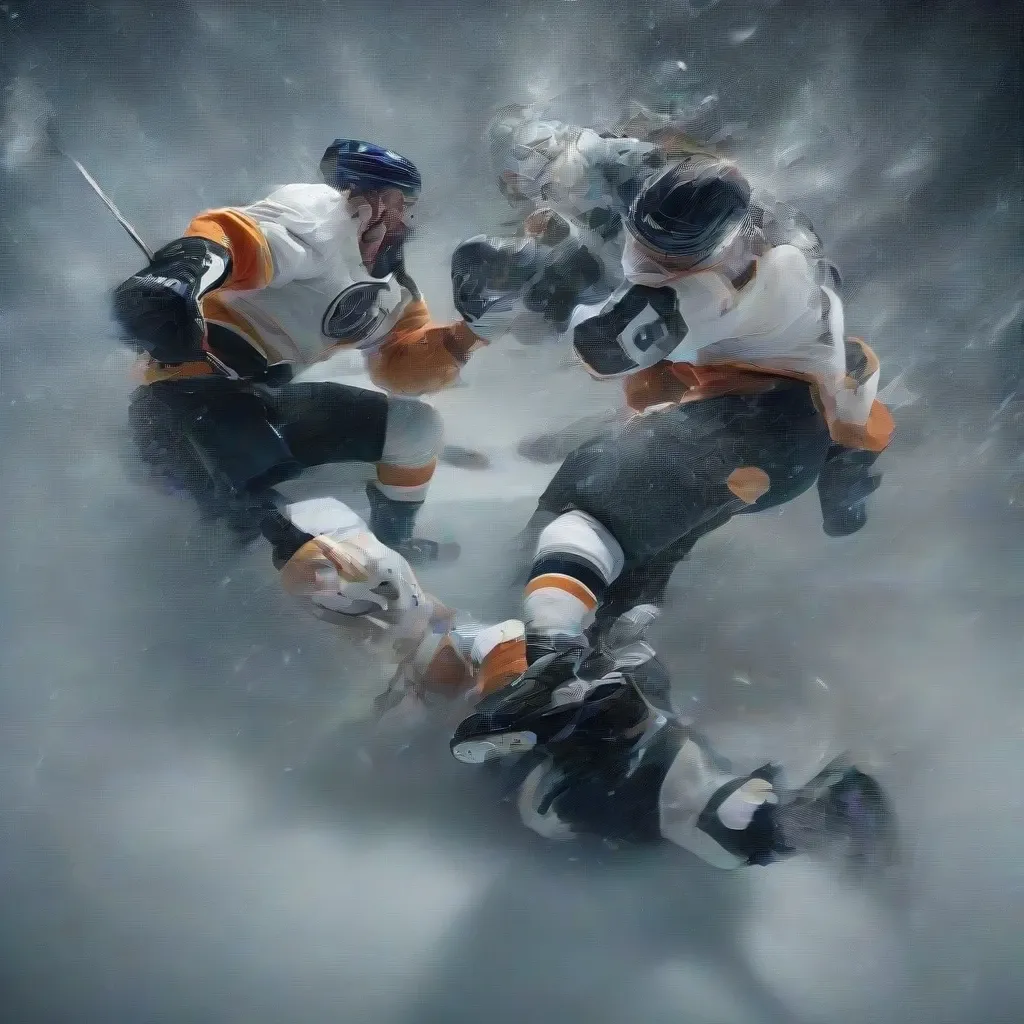
The roar of the crowd is deafening. Skates carve deep trenches in the ice as two NHL players lock up, gloves discarded, adrenaline surging. A flurry of punches erupts, a brief but brutal ballet played out under the bright lights. The crowd explodes – a visceral reaction to a primal display. This is the electrifying, often controversial, reality of fighting in hockey.
But beyond the spectacle, a series of questions arise. Why does this seemingly anachronistic element persist in a modern professional sport? What psychological and strategic factors are at play? And why, despite growing concerns about player safety and brain injuries, are so many drawn to witness these on-ice clashes?
This article explores the multifaceted dimensions of fighting in hockey, examining its historical roots, the psychological drivers behind it, and its purported strategic value. We’ll delve into the unwritten rules, the shifting perspectives, and the ongoing debate surrounding its place. Fighting is often regarded as a means of settling scores, providing momentum, or protecting teammates, but it is so deeply ingrained in the sport’s DNA that makes it a unique phenomenon, especially when compared with the rest of the sports industry where violence is rarely tolerated.
The Historical Role of Fighting in Hockey
The history of hockey is intertwined with a physical element that has both thrilled and divided fans: fighting. Its presence dates back to the sport’s early days, a time when rules were less defined and player safety was often secondary to raw competition. Fighting initially emerged not as a spectacle, but as a crude form of player protection. On-ice aggression was frequently met with swift, physical retribution. When a star player was targeted with a dirty hit, a teammate would often respond with a fight, sending a clear message that such actions would not be tolerated.
In those early years, fights were less about settling personal scores and more about maintaining a sense of order and accountability. It was a way to police the game when referees had limited authority and penalties were less severe. Teams often had designated “enforcers,” players whose primary role was to deter opponents from taking liberties with their skilled teammates. These players, feared and respected, served as a physical deterrent, ensuring a degree of on-ice justice in a violent ecosystem.
As hockey evolved, so did the rules and penalties surrounding fighting. What was once a largely accepted part of the game gradually became more regulated. However, this regulation didn’t eliminate fighting entirely. Its roots were too deep, its perceived necessity too strong. Even with increased penalties and stricter enforcement, fighting continued to persist, a relic of a bygone era struggling to find its place in a more refined and safety-conscious sport.
The rise of the Enforcer
The lack of proper regulations and the prevalence of cheap shots gave rise to a specific type of player: the Enforcer. These players, often imposing figures, acted as bodyguards for their team’s star players. They were there to deter opponents from taking liberties, to respond to dirty plays with swift and decisive action. Retaliation was simply a facet of the game.
Enforcers like Dave “The Hammer” Schultz, were not necessarily the most skilled players, but their toughness and willingness to fight made them invaluable. Their presence on the ice sent a clear message: mess with our stars, and you’ll have to answer to me. This approach, while brutal, was often seen as a necessary evil in a league where player safety was not always a priority.
The Psychology of Hockey Fights: Why Do We Watch?
The Thrill of Chaos
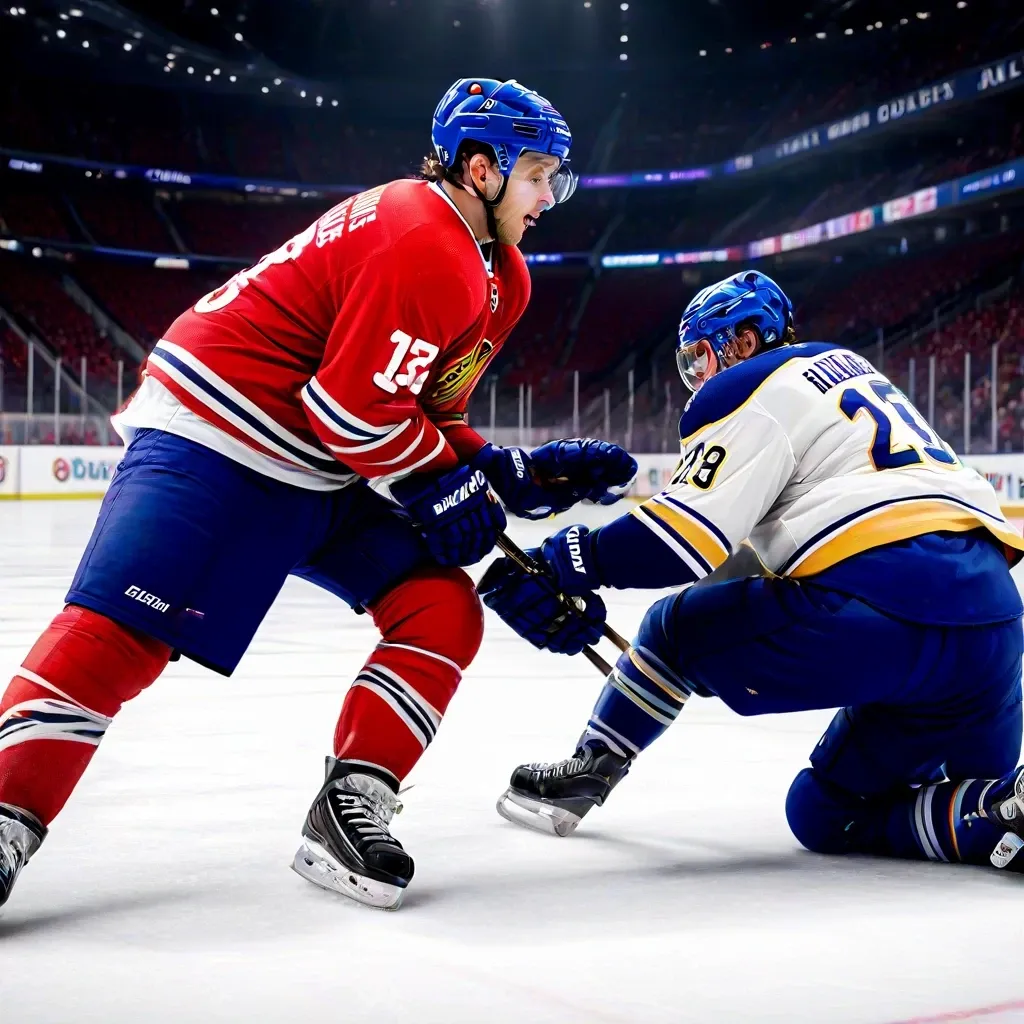
Hockey fights, seemingly contradictory to the spirit of sportsmanship, hold a strange allure for many fans. It’s a spectacle that taps into primal aspects of human psychology. One of the primary draws is simply the raw, unscripted chaos. In a world increasingly governed by rules and regulations, a hockey fight represents a temporary release from order. It’s a burst of unpredictable violence that stands in stark contrast to the controlled environment of the game itself. This deviation from the norm is inherently exciting, offering a vicarious thrill as viewers witness the boundaries of acceptable behavior being momentarily blurred.
The Unwritten Rules: Honor and Purpose on the Ice
Beyond the roar of the crowd and the sting of the slap shot, lies a complex and often misunderstood element of hockey: fighting. It’s governed by a set of unwritten rules, a “hockey code” that dictates when and how players engage in fisticuffs. This isn’t a free-for-all; it’s a system of checks and balances, born from respect and a desire to maintain order on the ice.
The foundation of this code rests upon principles like player respect and self-regulation. One cardinal rule is to never target an unwilling opponent. Cowardly behavior, such as blindsiding a player or instigating a fight against someone clearly outmatched, is met with swift retribution. Protecting teammates is another core tenet–stepping in to defend a player who has been wronged or is facing unfair treatment is almost an obligation. And perhaps the most universally understood rule: a downed opponent is off-limits. There’s an understanding that once a player is vulnerable, the fight is over.
Violating this code doesn’t just result in penalties from the referees; it can lead to consequences within the hockey community itself. A player who consistently ignores the unwritten rules might find himself targeted by other teams or ostracized by his own teammates. The code is a living, breathing entity, passed down through generations of players, and enforced through respect, tradition, and sometimes, a quick jab to the face.
Respect and Accountability
The unwritten rules in hockey aren’t enforced by referees, but instead, they’re maintained by the players themselves. Accountability among players means that actions on the ice have consequences, and those who violate the code will face repercussions, whether it’s through on-ice retaliation or a loss of respect within the hockey community. This level of accountability ensures that the values of the game are upheld, and that players are held responsible for their behavior.
Fighting’s Impact on Game Momentum and Strategy
Momentum Shifts
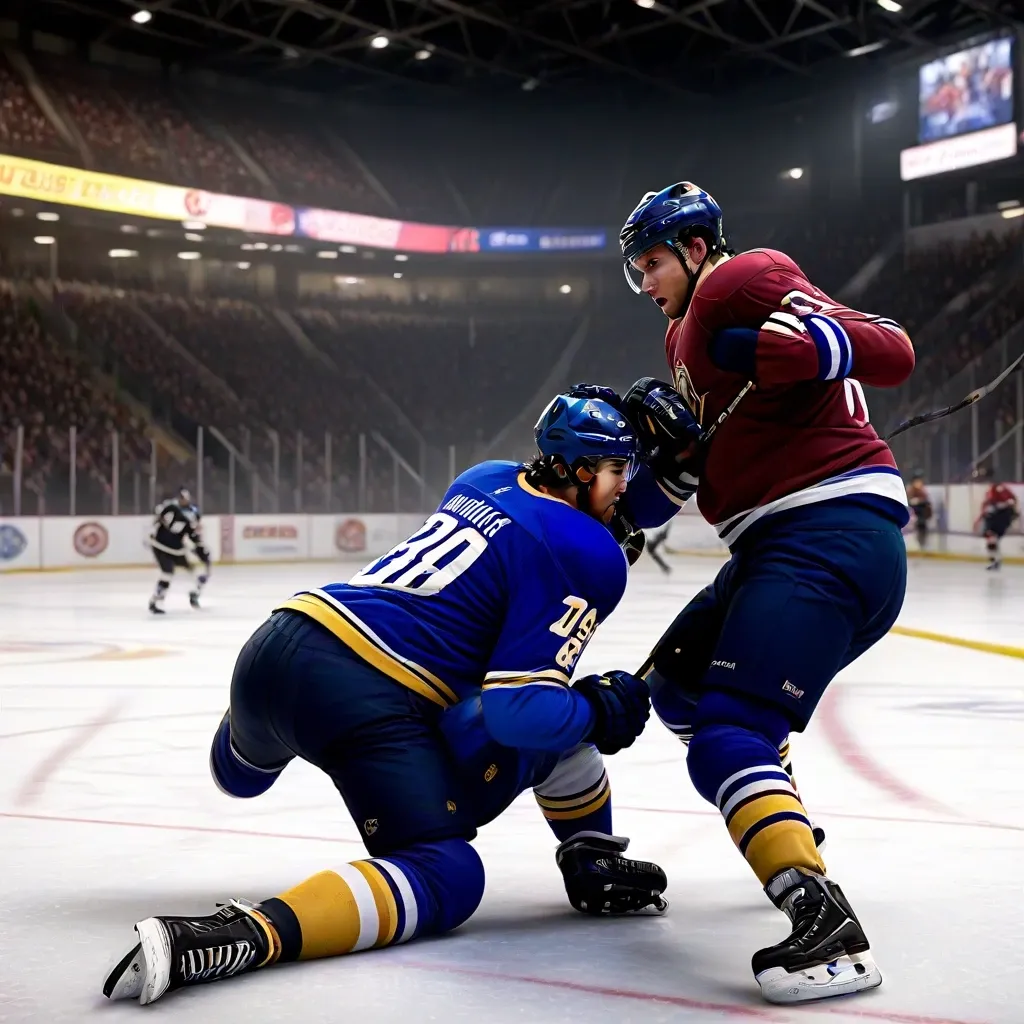
Fights in hockey are more than just displays of aggression; they can act as catalysts for significant momentum shifts within a game. A well-timed fight can electrify a team, injecting them with a surge of energy and determination. Imagine a scenario where a team is down by a goal in the third period, struggling to find their rhythm. A spirited fight by one of their players can act as a spark, igniting the rest of the team and the fans. This surge of adrenaline often translates into increased intensity on the ice, leading to more aggressive plays, heightened defensive efforts, and ultimately, a change in the game’s trajectory.
Consider instances where a team known for its physical play uses fighting as a tool to intimidate their opponents. By establishing dominance through impactful fights, they can disrupt the opposing team’s focus, forcing them to second-guess their plays and potentially leading to turnovers or defensive lapses. The psychological impact of a fight should not be underestimated, as it can instill fear and hesitation in the opposing team, giving the aggressors a distinct advantage.
The strategic implications are far-reaching. Coaches sometimes strategically deploy their enforcers to engage in fights at crucial moments, aiming to disrupt the opposition’s momentum or to protect a star player who has been targeted. While the immediate consequence is a penalty, the long-term impact on the game’s flow can be substantial. It’s not just about the physical altercation; it is about using the fight as a tactical maneuver to manipulate the game’s dynamics.
The Evolution of Fighting: Safety Concerns vs. Tradition
The roar of the crowd, the clash of bodies, and the thud of gloves on helmets – fighting in hockey has long been a visceral part of the sport’s identity. For decades, it was seen as a way to police the game, protect star players, and ignite passion on the ice and in the stands. However, a growing awareness of the serious and potentially long-term health consequences associated with head trauma is forcing a reevaluation of fighting’s place in the modern game.
Concerns about player safety, particularly concussions and the risk of chronic traumatic encephalopathy (CTE), are at the forefront of these debates. Studies have linked repeated head trauma to CTE, a degenerative brain disease that can lead to a range of cognitive and behavioral problems. While fighting isn’t the sole cause of concussions in hockey, it undeniably contributes to the risk. This knowledge has fueled calls for stricter penalties and a reduction in fighting. It has also reshaped attitudes towards fighting, with many focusing on the skill and the speed of the game.
The NHL is trying to adapt to this concern with certain rule changes and emphasis on different aspects of the game. But safety and fighting are something that the organization will continue to monitor into the future.
Preventative Actions
Recognizing the dangers, the NHL and other hockey leagues have implemented various safety measures aimed at reducing fighting and its associated risks. These include stricter enforcement of existing rules, increased penalties for fighting, and programs focused on concussion awareness and prevention. There is also now an expectation that players who may have head injuries be carefully examined. While a complete elimination of fighting may be a challenge due to its deep-rooted tradition, the focus is on preventative care. Emphasis is placed on trying to curtail the most dangerous aspects while still allowing for a level of enforcement on the ice.
Conclusion
Looking Forward
The debate surrounding fighting in hockey is far from black and white. It’s a complex issue woven into the very fabric of the sport, sparking passionate opinions on both sides. As hockey continues to evolve, finding a balance between tradition, player safety, and the changing expectations of fans will be crucial. Understanding the multifaceted role of fighting – its potential impact on player protection, the emotional release it offers, and the historical weight it carries – is essential for anyone seeking to grasp the true essence of the game.