
The roar of the crowd, the blinding flash of the starting lights, the sheer, unadulterated power unleashed: the start of a Formula 1 race is a spectacle unlike any other. All eyes are glued to the car at the front, the one that earned its place on pole position through a masterful display of speed and precision. But pole is no guarantee of victory. In the frantic dash to the first corner, that hard-won advantage can evaporate in a plume of tire smoke or be snatched away by a daring rival. The conversion of pole position into a first-lap lead is a high-stakes gamble, a thrilling mix of meticulous preparation, lightning-fast reflexes, and a touch of calculated aggression.
Think back to moments when a driver perfectly executed that start, rocketing off the line to build an insurmountable lead. Or, conversely, consider the agonizing frustration of seeing a pole sitter bogged down, swallowed by the pack before the first turn. These defining moments underscore a critical truth: in Formula 1, securing pole position is only the prelude. The real battle begins when those five lights go out. The strategy, the clutch control, the raw horsepower – all must work in perfect harmony to transform that coveted starting spot into an early advantage. And with the right analysis, understanding the science behind the start can turn any avid watcher into an expert on the topic.
The Pole Position Advantage: A Statistical Overview
In Formula 1, securing pole position is often seen as a critical step towards victory. Statistical evidence supports this notion, revealing a strong correlation between starting upfront and winning the race. Data indicates that a significant percentage of F1 races are won by the driver who starts on pole. While the exact percentage varies from season to season, and across different circuits, the advantage is undeniable.
The correlation extends beyond simply winning; leading the first lap from pole position also significantly increases a driver’s chances of success. Gaining and maintaining the lead early in the race allows the driver to control the pace and strategy, putting pressure on the chasing pack. However, it’s crucial to remember that pole position is not a guaranteed victory. Factors such as car performance, weather conditions, and strategic decisions can all play a significant role in the final outcome.
Across different eras, pole position dominance has seen fluctuations. There were specific seasons where the pole-sitter’s win rate was notably higher, often due to a combination of superior machinery and a dominant driver. Some drivers have demonstrated a particular skill in converting pole positions into race wins, consistently maximizing their advantage from the start such as Ayrton Senna, Michael Schumacher and Lewis hamilton.
Circuit Dependency
The advantage conferred by pole position is not uniform across all circuits. Track characteristics play a vital role in determining how significant a pole sitter’s advantage will be. Circuits with a long run from the start line to the first corner, offer a greater opportunity for drivers starting behind to challenge for the lead through slipstream and braking skill. These circuits often see more changes. Tracks with tricky first corner, may become more difficult to overtake because the driver who starts on pole will block the access.
In contrast, on twistier circuits with shorter straights and limited overtaking opportunities, pole position often provides a more substantial advantage. The starting grid position, specifically whether the pole sitter starts on the left or right side of the track becomes more strategically important. Because driver will take the better racing line. Understanding the circuit layout and its impact on overtaking is crucial when assessing the true value of pole position for each race.
Factors Influencing the Start
Several elements determine whether a pole sitter maintains their lead after the initial lap. These factors include mechanical grip, tire management, clutch control, the sophistication of start systems, and a thorough understanding of race start regulations. Each aspect plays a crucial role in achieving a strong start or, conversely, succumbing to the pressure and losing position.
Mechanical grip, the adhesive friction between the tires and the track surface, is paramount for initial acceleration. Drivers must modulate the throttle and clutch to maximize grip without inducing wheelspin. Tire management also becomes critical; different tire compounds behave uniquely during the launch. Softer compounds offer more immediate grip but can degrade quickly if not managed correctly. Meanwhile, harder compounds require more finesse to bring up to temperature but provide more consistent performance over the opening laps. Clutch control is another art form, demanding precise calibration to transfer engine power to the wheels efficiently. A perfectly executed clutch release minimizes bogging and maximizes acceleration.
Start systems have dramatically evolved. Early systems were purely mechanical, relying on driver skill alone. Now launch control systems, though heavily regulated, still provide an advantage by optimizing engine output and wheel slip. Drivers must master these systems to extract every last ounce of performance from the car during those crucial first few seconds.
The Impact of Regulations
F1 regulations significantly impact starting performance. The ban on driver aids like traction control and heavily restricted launch control systems put more emphasis back on driver skill. These regulatory shifts often lead to periods where some teams and drivers adapt more effectively than others, gaining a competitive edge at the start. Teams need to find the optimal balance by pushing performance based on regulations without violating them. Regulations regarding blocking strategies are also something to take into consideration in order to don’t be penalized.
First Row Advantage
Starting on the front row offers a distinct psychological and tactical advantage. Drivers only need to focus on one immediate opponent, and generally have slightly more space. This reduced pressure often translates into cleaner starts. However, the side pole-sitters start plays a factor, with some circuits favoring the left or right sides during the initial launch depending on track curvature and grip levels.
Second Row Disadvantage
The second row presents a more challenging scenario. Drivers must consider multiple cars vying for position into the first corner, leading to a more stressful and congested start. With less space and increased competition, second-row starters face a higher probability of getting boxed in or losing positions during the chaotic run to the first turn.
Driver Skill and Start Strategy
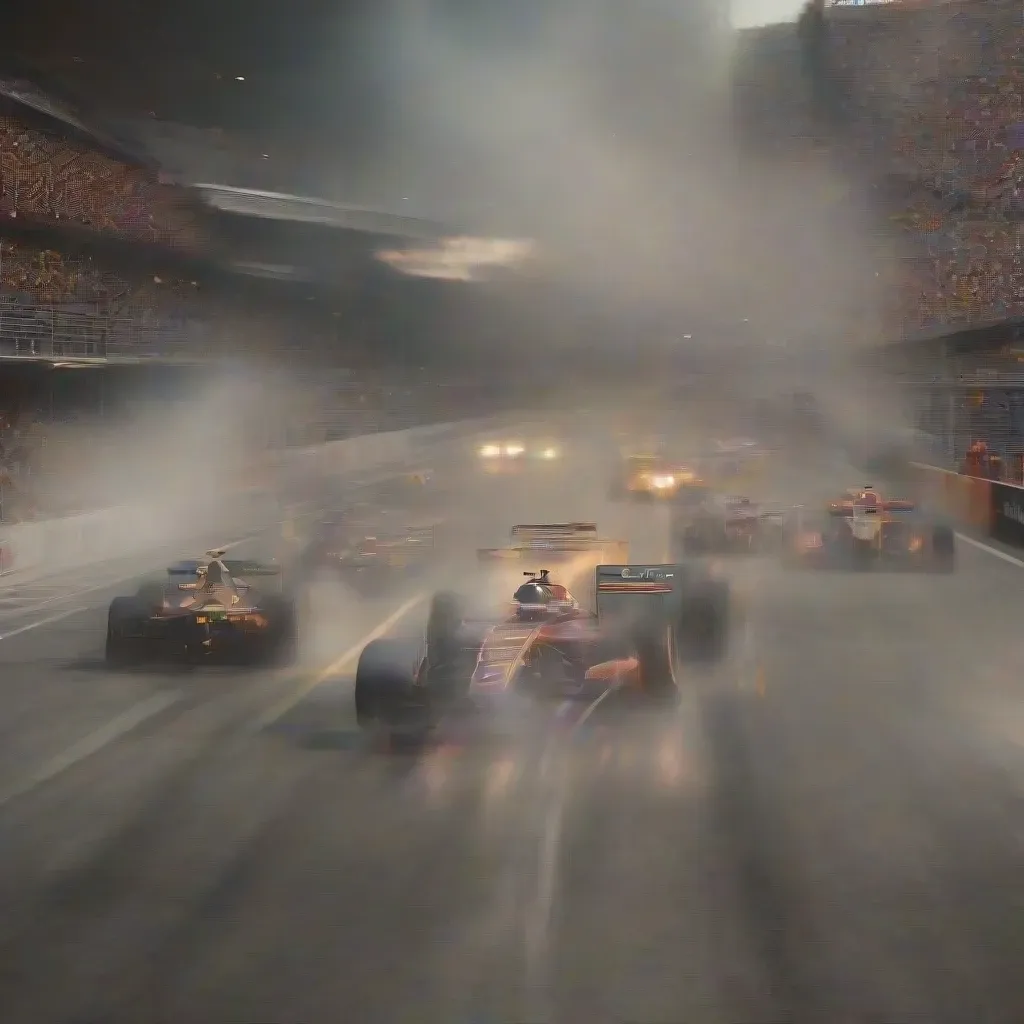
The roar of the engines, the blinding lights, the palpable tension – the start of a Formula 1 race is a sensory overload, but for the drivers, it’s a hyper-focused ballet of precision and instinct. Converting pole position into a lead after the first lap isn’t just about having the fastest car; it’s a testament to peak driver skill expressed through masterful clutch control, lightning-fast reaction time, and a meticulously planned start strategy. These first few seconds can dictate the entire race, rewarding the brave and punishing the hesitant.
Clutch control is paramount. Find the sweet spot where the engine screams without overwhelming the tires, balancing raw power with controlled traction. Too much wheelspin and the car becomes a sitting duck. Too little, and valuable momentum is lost. Then there’s the reaction time, a pure expression of reflexes honed over years of practice. Some drivers seem to anticipate the lights, their cars leaping off the line with uncanny speed, while others are left scrambling to catch up. This isn’t just about raw speed; it’s about processing the information, filtering out the noise, and executing the launch sequence flawlessly.
Before the race even begins, drivers and their engineers pore over data, analyzing every conceivable scenario. Where are the grip levels highest? Which side of the track offers a better run into the first corner? How do varying fuel loads affect acceleration? The start strategy is a carefully crafted plan, but in the chaotic environment of the race start, adaptability is key. The best drivers are those who can instantly adjust their strategy based on the actions of their rivals, seizing opportunities as they arise and mitigating potential threats.
Defensive and Offensive Maneuvers
The opening lap is a chess match played at 200 mph. Defensive driving becomes crucial for protecting position, employing tactics like positioning the car to block overtaking attempts or strategically using the slipstream to break the tow of a chasing car. However, playing defense alone invites pressure. Offensive maneuvers are equally vital. These can range from aggressive lunges into corners to subtle feints designed to unsettle competitors.
Every move carries risk. A too aggressive defense risks a penalty or collision. A failed overtake can compromise your own position. The best drivers are masters of calculating risk/reward, assessing the situation in real-time and adapting their approach accordingly. If a car behind shows exceptional pace off the line, a driver might subtly concede a position early, knowing that a more strategic opportunity will present itself later in the race. It’s about playing the long game, even in the frantic opening seconds.
Historical Case Studies
Examining iconic Formula 1 race starts provides invaluable insights into the delicate balance of skill, strategy, and sheer luck that determines who leads the opening lap. By dissecting past successes and failures, one can identify recurring patterns and understand the critical factors that separate a winning start from a disastrous one.
Case Study 1: 2008 Brazilian Grand Prix – Felipe Massa
The 2008 Brazilian Grand Prix, held at Interlagos, remains etched in F1 history. Felipe Massa, driving for Ferrari, started on pole position in front of his home crowd knowing that if he wins and Hamilton don’t score more than 5 points, he will be the world champion. As the lights went out, Massa had a clean getaway, maintaining his lead into the first corner. His launch was picture-perfect, demonstrating exceptional reaction time and precise clutch control. Crucially, he avoided wheelspin, maximizing traction and allowing him to build an immediate advantage. While Massa won the race, Lewis Hamilton’s fifth-place finish secured him the World Championship by a single point in the last corner of the last lap of the season.
Case Study 2: 2012 Japanese Grand Prix – Sebastian Vettel
The 2012 Japanese Grand Prix at Suzuka witnessed a dramatic start for Sebastian Vettel. Starting from pole position, Vettel moved before the lights went out, but he quickly stopped. Behind him, his Red Bull teammate Mark Webber had a slow start, but Romain Grosjean didn’t, causing a multi-car pileup at the first corner. While Vettel managed to salvage third place later in the race, this race serves as a reminder of the split-second decisions and external factors that can derail even the most experienced drivers at the start. The incident highlighted the importance of maintaining composure and adapting to sudden changes in circumstances.
Future Trends and Predictions
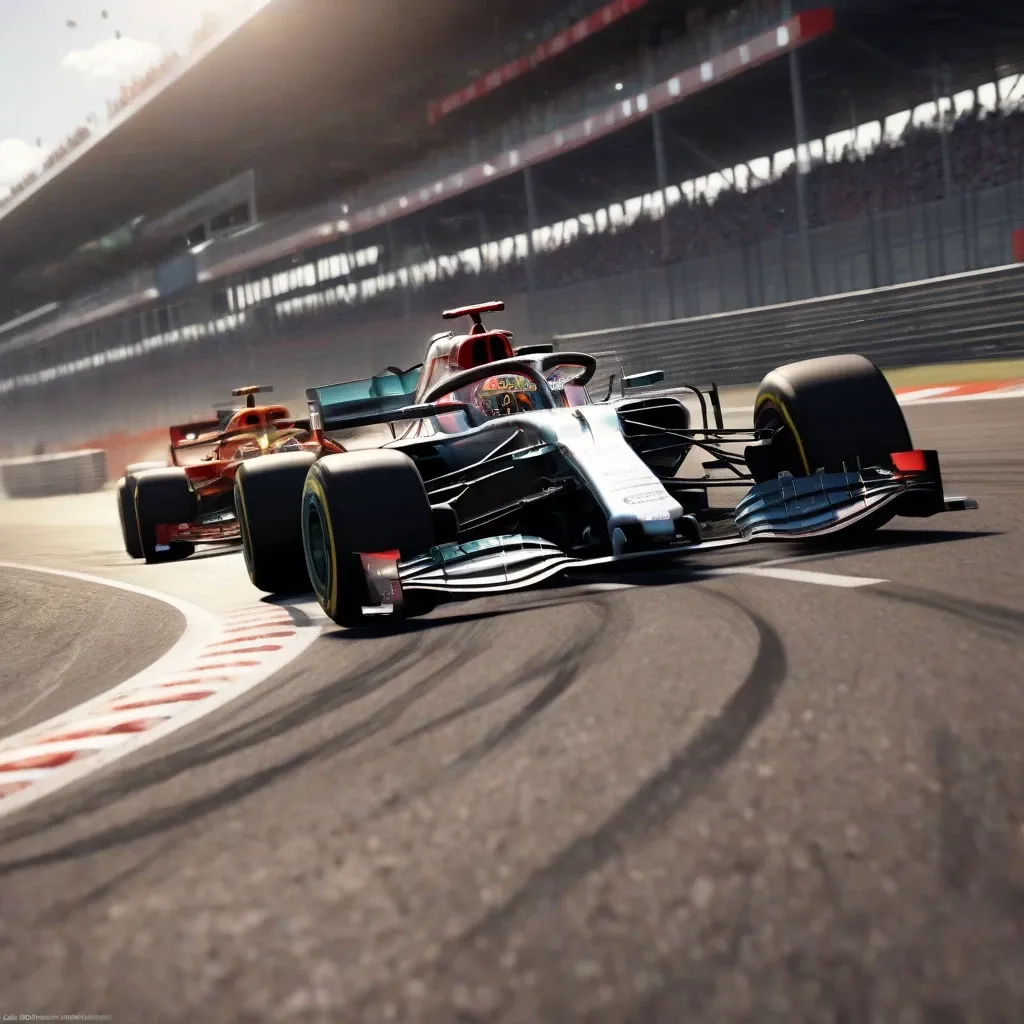
The relentless pursuit of marginal gains in Formula 1 ensures the starting procedure will continue to evolve, driven by both technological advancements and regulatory shifts. Anticipate seeing sophisticated energy recovery systems playing a more prominent role. Imagine a future where kinetic energy harvested during braking on the formation lap is strategically deployed to provide a crucial boost at the start, offering a tangible advantage in those critical first few meters.
Artificial intelligence could also revolutionize starts. Predictive analysis, powered by advanced algorithms, might allow teams to anticipate the optimal moment for launch with incredible precision. AI-assisted starts could become the norm, prompting debate about the evolving role of driver skill. Will the human element be diminished, or will it shift towards managing these complex systems and reacting to unforeseen circumstances?
Furthermore, regulatory changes designed to level the playing field or enhance safety are always on the horizon. We might see restrictions on pre-start adjustments or standardized launch control systems introduced. Looking ahead, the delicate balance between technological innovation, regulatory oversight, and pure driver talent will determine who masters the art of converting pole position into leading the pack after the first lap. The future of F1 starts promises to be a fascinating blend of human skill and cutting-edge technology.
Conclusion
In summary, securing pole position in F1 offers a distinct advantage at the start, yet it’s no guarantee of victory. Mastering the start involves skill, strategy, and a bit of luck. The perfect launch remains one of motorsport’s most captivating challenges. After all, the race truly begins when the lights go out.