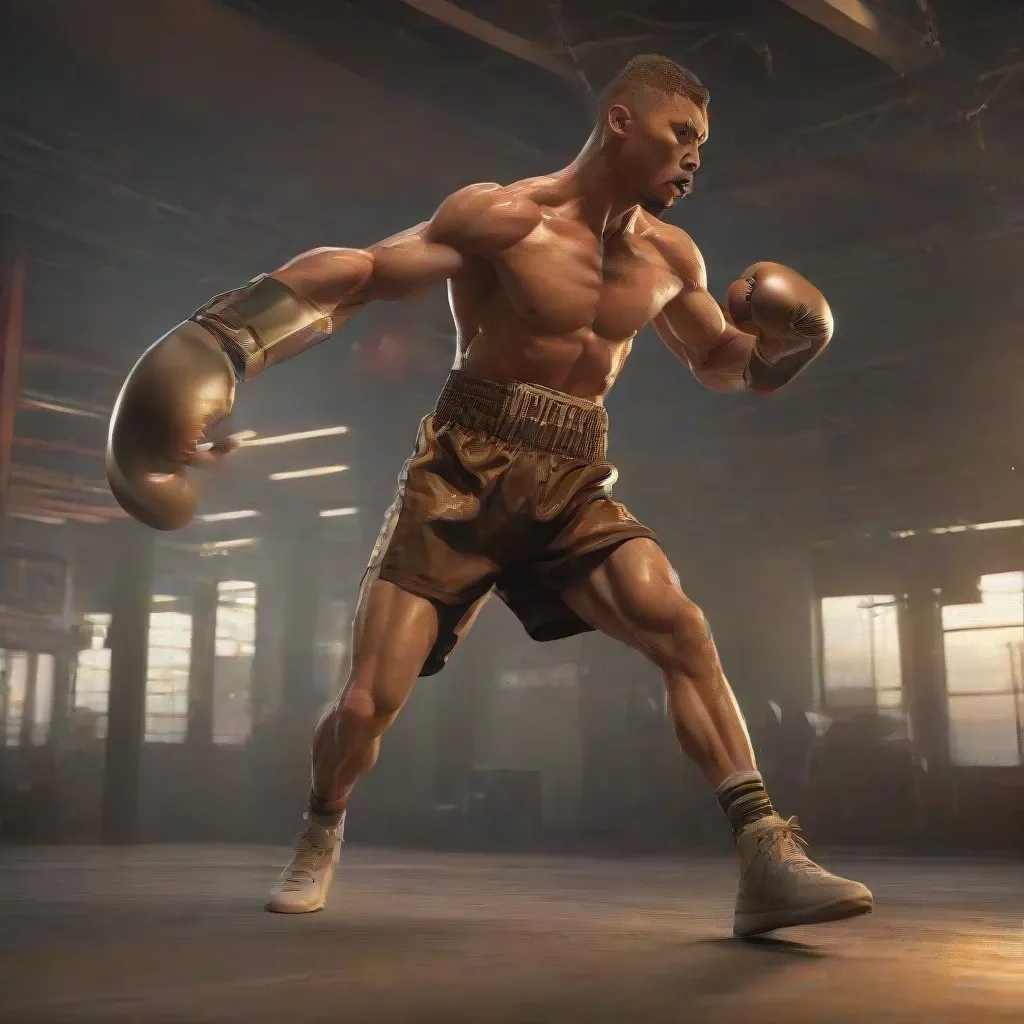
In the electrifying world of boxing, where every punch is a calculated risk and every movement a strategic dance, the hook stands out as a true game-changer. Hooks are not just punches; they’re angled missiles, thrown with precision and designed to exploit vulnerabilities that straight punches simply cannot reach. Think of them as the curveball in baseball, the unexpected twist that leaves opponents off-balance and exposed.
The beauty of a well-executed hook lies in its element of surprise. It bypasses direct defenses, attacking from unexpected angles and disrupting the opponent’s rhythm. I remember one particularly grueling match where I was getting outboxed. It felt like I needed a lucky punch. I adjusted my stance slightly, creating a better angle for my left hook. When he came in close, expecting another jab, I unleashed it. The hook landed flush, and that was all she wrote. Angling created an opening in what had been a tight fight. That’s the power of a hook.
This guide is your ringside seat to mastering this devastating punch. We’ll break down the mechanics, dissect the techniques, and explore the strategies that will transform your hook from a hopeful swing into a knockout weapon. So, lace up your gloves, and let’s get to work.
The Fundamentals of a Boxing Hook
The boxing hook, a punch delivered with a semi-circular motion, stands as a testament to the art of generating power from unconventional angles. Unlike a straight punch, the hook relies heavily on the kinetic chain, initiating force from the ground up, engaging the legs, core, and finally, the arm. Mastering the hook isn’t just about flailing an arm; it’s about understanding the subtle dance of proper stance, arm positioning, and rotational mechanics. When executed correctly, the hook becomes a devastating weapon, capable of delivering fight-ending power.
The foundation of a solid hook lies in the boxing stance. Your feet should be shoulder-width apart, knees slightly bent, creating a stable and balanced base. Your hands, guarding your face, are your first line of defense. Now, focus on the arm – the elbow should be bent at roughly 90 degrees, and this angle is crucial. Imagine that your forearm and fist are like a wrecking ball. It is also important that the wrist stays aligned with the forearm, preventing injury and maximizing power transfer. The punch will come from turning your whole body and transfer all that power into that little area you hit with your fist.
I remember when I first started boxing, my hook was… well, let’s just say it lacked oomph. I was all arm, no power. It wasn’t until my coach drilled me on the fundamentals – the stance, the rotation, the wrist alignment – that things clicked. Suddenly, I wasn’t just throwing a punch; I was transferring my entire body weight into the blow. The difference was night and day and I was able to dominate the competition with the perfect hook punch.
Lead Hook vs. Rear Hook: Understanding the Differences
The lead hook and the rear hook might seem like variations of the same punch, but they serve distinct purposes in a boxer’s arsenal. The lead hook, thrown with the lead hand (left hand for orthodox fighters, right hand for southpaws), is prized for its speed and ability to set up combinations. It’s often used to disrupt an opponent’s guard, create openings, or keep them at bay. Due to the shorter distance it needs to travel, it is also faster than the rear hook so it is great to maintain pressure.
The rear hook, delivered with the back hand, is the power punch. This punch travels a longer distance, allowing for greater momentum and force to be generated. It is often used to end combinations or deliver knockout blows. For instance, I once faced an opponent who was incredibly quick on his feet, constantly circling away from my power hand. My lead hook became my go-to weapon, allowing me to cut off the ring and pepper him with shots. On the other hand, against a more stationary, aggressive opponent, my rear hook became the game-changer, landing with devastating impact when they least expected it.

Generating Power from Angled Punches
The hook, a devastating angled punch, derives its power not just from the arm, but from a chain reaction originating in the ground. To maximize impact, one must understand and utilize leg drive, hip rotation, and core engagement. Think of it as a whip – the handle (your feet) initiates the movement, transferring energy through the core (the whip’s body) to the tip (your fist).
Proper technique starts with pushing off the ground with your legs. This isn’t just about standing there and swinging; it’s about driving upward, almost like you’re trying to jump. This upward force is then channeled into rotational power. One can’t overstate the importance of the pivot. It’s the unsung hero of the hook, allowing the hips to fully rotate and unleash their stored energy. The stronger your core however, the more stable foundation you have for transferring power. Your core acts as a bridge, connecting the lower and upper body allowing for maximum force transfer. It’s not just about having visible abs; it’s about deep, internal strength.
Strength and conditioning also contribute greatly to angled hooks. A stronger core will allow you to get more power and torsion and resistance, and training those supporting muscles goes a long way. I personally found that incorporating plyometric exercises, like box jumps and medicine ball throws, significantly increased my hook power. The explosiveness developed through these exercises translates directly to the speed and force of the punch. Consistent training also helps to refine the technique, making the movements more fluid and efficient. It’s a journey of continuous improvement, always seeking that perfect balance of power, speed, and precision.
The Role of Footwork and Pivot
Boxing footwork is the subtle dance that sets up the knockout blow, and the pivot is your partner in that dance, specifically when throwing a hook. It’s not just about turning your foot; it’s about creating torque throughout your entire body. This allows the energy generated from the legs to be efficiently transferred into the punch.
The mechanics are deceptively simple: as you throw the hook, pivot on the ball of your lead foot, rotating your heel outwards. This allows your hips to fully engage, adding significant power to the punch. Different stances can dramatically affect hook performance. I remember struggling with my hook until I adjusted my stance, widening it slightly and ensuring my weight was properly distributed. Fine-tuning that balance unlocked a whole new level of power. It’s a crucial element of boxing technique.
Hook Variations and Their Tactical Applications
The sweet science of boxing isn’t just about throwing punches; it’s about choosing the right tool for the job. Different hook variations, like the body hook, check hook, and shovel hook, can drastically alter your tactical approach, offering a diverse arsenal for both offense and defense. Each hook lands with different intention and impact, so understanding them is crucial.
A fighter who masters these variations can control the ring, exploit weaknesses, and dictate the pace. The body hook can break down an opponent, the check hook disrupts advances, and the shovel hook digs deep for maximum impact. Knowing when and how to use each can make the difference between a close fight and a knockout victory.
Body Hook: Targeting the Liver
The body hook, particularly when aimed at the liver, is one of boxing’s most fight-changing punches. A well-placed liver shot can shut down an opponent, killing their legs and stealing their air. This is because the liver is extremely sensitive, and a direct hit can cause intense pain and temporary paralysis.
Crafting a liver shot is all about precision and timing. It involves a short, compact hook with a focus on driving the knuckles deep into the right side of the opponent’s body – for orthodox fighters. The goal is to land on the lower ribs, directly over the liver. A solid connection can fold even the toughest fighters. Imagine a sparring session where your opponent is relentless, but you land a perfect body hook, and their legs instantly wobble. That’s the shocking power of the liver shot.

Common Mistakes and How to Correct Them
Throwing a devastating hook requires more than just brute strength; it demands precision, timing, and a keen awareness of common pitfalls. One frequent mistake is telegraphing punches, essentially announcing your intentions to your opponent before the blow lands. This allows them to anticipate the strike, evade it, or, worse, set up a counter. Dropping your guard while throwing a hook is another critical error, leaving you exposed to incoming attacks. Similarly, over-rotating can throw you off balance, diminishing your power and making you vulnerable. These mistakes diminish the effectiveness of the hook and open doors for opponents to exploit weaknesses.
Learning to recognize and correct these vulnerabilities can drastically elevate your game. Years ago, I fought a very predictable opponent. Every hook was preceded by a tell – a slight shoulder twitch. Once I recognized this telegraph, I started slipping his hooks anticipating the opening for my own attacks. Spotting those opportunities is essential.
Avoiding Telegraphing: Speed and Deception Techniques
To avoid telegraphing, focus on generating speed from your core and legs rather than winding up your arm. Employ feints to disrupt your opponent’s expectations and mask your true intentions. A simple head fake or a slight shift in weight can be enough to make them second-guess their reactions. Mixing up your rhythm is also crucial. Instead of throwing hooks in predictable patterns, vary the timing and sequence of your punches. Stay relaxed. Tension breeds stiffness, causing your movements to become rigid and telegraphic. Keep your muscles loose and your breathing steady.
I recall a sparring session where I struggled to land my hook. My coach pointed out that I was telegraphing it every time. He advised me to incorporate a jab before the hook, even if the jab wasn’t intended to land. The mere threat of the jab was enough to distract my opponent and create the opening I needed to land the hook cleanly. That adjustment completely changed my approach.
Drills to Perfect Your Hook
Shadow Boxing for Technique
Shadow boxing is the unsung hero of hook mastery. It’s not just flailing at air; it’s a mental rehearsal, a dance with your own potential. The goal here isn’t power, but precision. Visualize your opponent, feel the rotation in your core, the snap of your wrist. Each repetition etches the perfect hook deeper into your muscle memory. Focus on maintaining a tight guard, pivoting correctly, and following through with the punch. This isn’t just about throwing a hook; it’s about crafting a masterpiece. By paying attention to the details and really visualizing the performance, punches are naturally thrown with more confidence and precision. This step can’t be skipped!
Conclusion
Mastering boxing hooks demands an unwavering commitment to refining technique, amplifying punching power, and strategically integrating this versatile punch into your fight game. The journey involves consistent practice, diligent refinement, and a willingness to adapt your approach based on experience and coaching.
Take the drills and insights discussed and weave them into your boxing training. Focus on the nuances of body positioning, weight transfer, and explosive rotation. Hooks can be fight-changing when executed with precision and intent.
Hooks have punctuated boxing history with decisive blows. Think of legendary fighters whose hooks have ended fights and shaped careers. Hooks are not merely punches; they are tools of opportunity and control. Continue to practice, analyze, and evolve your understanding. Hooks will become more than just a boxing technique; they will be a powerful extension of your will in the ring.